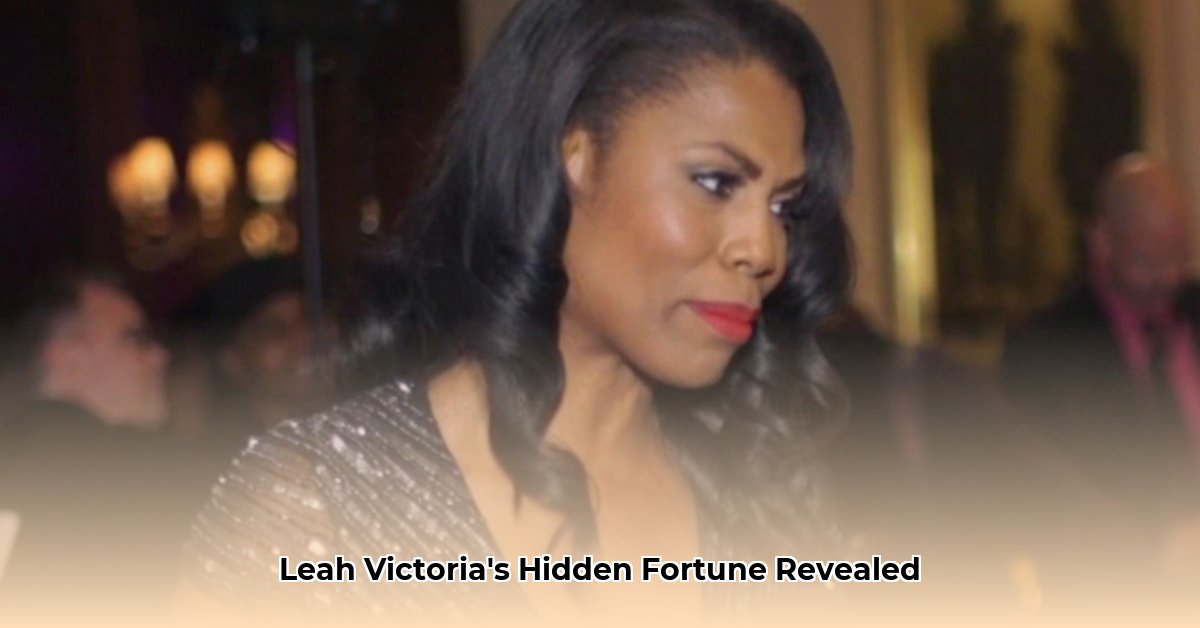
Leah Victoria, heir to a significant fortune, navigates the complexities of inherited wealth. While the precise figure of her net worth remains undisclosed—a common practice among high-net-worth individuals—her story provides a compelling case study on generational wealth, philanthropy, and the challenges of public perception. This isn't just about a number; it's about legacy, responsibility, and defying ingrained stereotypes. For more on high-net-worth women, see this resource.
The Weight of a Fortune: Beyond Dollars and Cents
Imagine inheriting substantial wealth—not merely comfort, but a truly significant sum. This is Leah Victoria's reality, a reality often shrouded in mystery due to the lack of public disclosure regarding her net worth. This lack of transparency, however, doesn't diminish the significance of her position. Instead, it highlights a broader societal issue: how we perceive inherited wealth. Many instantly associate it with lavish lifestyles and irresponsible spending, a harmful stereotype that unfairly overshadows the positive impact many wealthy individuals—women included—have on the world. Isn't it crucial to move beyond superficial assumptions and delve deeper, focusing on evidence of actions rather than speculations about net worth?
Leah's mother, the prominent philanthropist Helen LaKelly Hunt, has openly discussed the burdens and responsibilities of immense wealth, emphasizing the importance of using it for good. This suggests a family legacy that extends beyond wealth accumulation to encompass its strategic and thoughtful deployment. This perspective significantly colors Leah's story, highlighting a compelling blend of financial resources and ethical responsibility.
Philanthropy and the Fight Against Stereotypes
The image of the spoiled, frivolous heiress is deeply entrenched in our culture. This harmful stereotype disproportionately targets women who inherit significant wealth, often overshadowing their considerable philanthropic contributions. This persistent stereotype is a significant hurdle for individuals like Leah who strive to make a positive societal impact. It represents a battle against deeply ingrained biases.
Even without precise figures on Leah Victoria's net worth, insights can be gleaned from her mother's public actions. Helen LaKelly Hunt's advocacy for responsible wealth management strongly implies a similar philosophy for her daughter. The family's commitment to philanthropy suggests that Leah's wealth isn't viewed merely as personal gain but rather as a tool for positive change, a platform for enacting meaningful impact.
Strategic Giving: A Meaningful Approach
The complexities of generational wealth transfer are amplified by the differing approaches of mothers and daughters. One generation's strategy doesn't always seamlessly translate to the next. Each woman balances her personal values and family legacy in unique ways. For Leah, a transparent approach might be most effective. Publicly sharing her philanthropic efforts and highlighting their impact could significantly counter negative stereotypes. This could involve establishing her own foundation or collaborating with her mother's organization. A structured, long-term philanthropic approach maximizes impact and demonstrates responsible wealth stewardship.
Public Perception: Transparency's Crucial Role
Leah's journey underscores the critical need for greater transparency regarding wealth and philanthropy, particularly concerning women. The scarcity of data on philanthropic contributions by high-net-worth women allows harmful stereotypes to persist. Further research is needed to accurately portray women's contributions to charitable causes. Responsible journalism, showcasing positive narratives and providing a balanced perspective, is crucial in countering these biases and presenting a more complete picture of women's philanthropic endeavors.
Leah Victoria's story, therefore, transcends simple net worth calculations. It sparks a broader conversation about societal responsibilities, inherited wealth, and the ongoing fight against entrenched prejudices. Her future actions, particularly in philanthropy, will heavily influence this narrative and demonstrate her understanding of the complex legacy she carries. Continued discussion and research will paint a more comprehensive, accurate portrait.
How to Maximize Charitable Impact for High-Net-Worth Women
Key Takeaways:
- Effective philanthropy necessitates a well-defined strategy beyond mere donations.
- Building a skilled team is essential for maximizing impact.
- Rigorous due diligence on charities is crucial for successful giving.
- Utilizing formal structures like private foundations or Donor-Advised Funds (DAFs) offers significant advantages.
- Regularly measuring impact ensures your contributions are truly effective.
- Tax optimization strategies can significantly amplify your giving capacity.
- Engaging family members ensures your philanthropic legacy endures.
Leah Victoria: A Case Study in Strategic Giving
Leah Victoria's journey, though hypothetical, captures the challenges and opportunities high-net-worth women face in philanthropy. Inherited wealth brings unique responsibilities. How does she navigate these complexities? How does she ensure her philanthropy truly makes a difference? Let's examine her hypothetical journey.
Defining Her Philanthropic Vision: Identifying Leah's passions and the causes that resonate with her is the initial crucial step. It's about pinpointing areas where she can create the most significant impact—a blend of personal connection and carefully considered analysis. This isn't merely about writing checks; it's about fostering lasting positive change.
Building a Strong Team: A successful philanthropic strategy demands more than just good intentions. A team of financial advisors, legal counsel, and nonprofit specialists is vital. Their expertise in areas such as impact measurement, tax optimization, and due diligence is crucial for maximizing effect. This team serves as a trusted resource and provides valuable guidance.
Choosing the Right Charitable Vehicles: Various options exist for channeling philanthropic efforts. DAFs offer flexibility and tax benefits, while private foundations provide greater control. The optimal choice hinges on individual circumstances and goals, including long-term family involvement and succession planning. This decision fundamentally shapes her giving approach.
Rigorous Due Diligence: Before committing funds, comprehensive research is essential. Leah needs to verify the charities' effectiveness and financial stability. Resources like Charity Navigator provide valuable data. This step ensures donations are used efficiently and effectively, avoiding organizations with questionable practices. Transparency and accountability are paramount.
Measuring Impact: Leah can't simply donate and hope for the best. Establishing clear metrics for assessing the success of her initiatives is crucial. This involves regular reporting and adjustments based on results. Tracking progress demonstrates the tangible effects of her generosity and informs future decisions. It ensures accountability and showcases the true value of her contributions.
Tax Optimization: Strategic planning can substantially increase the impact of donations. Expert tax advice is needed to leverage available tax advantages and optimize charitable contributions. This is not about avoiding taxes; it is about legally maximizing the beneficial impact of her generosity.
Long-Term Planning & Legacy: Philanthropic goals extend beyond immediate actions. Leah needs a long-term plan aligning her giving with future generations' values. This often requires family discussions to ensure her vision endures. It's about creating a lasting legacy of giving and positive change that extends far beyond her lifetime.